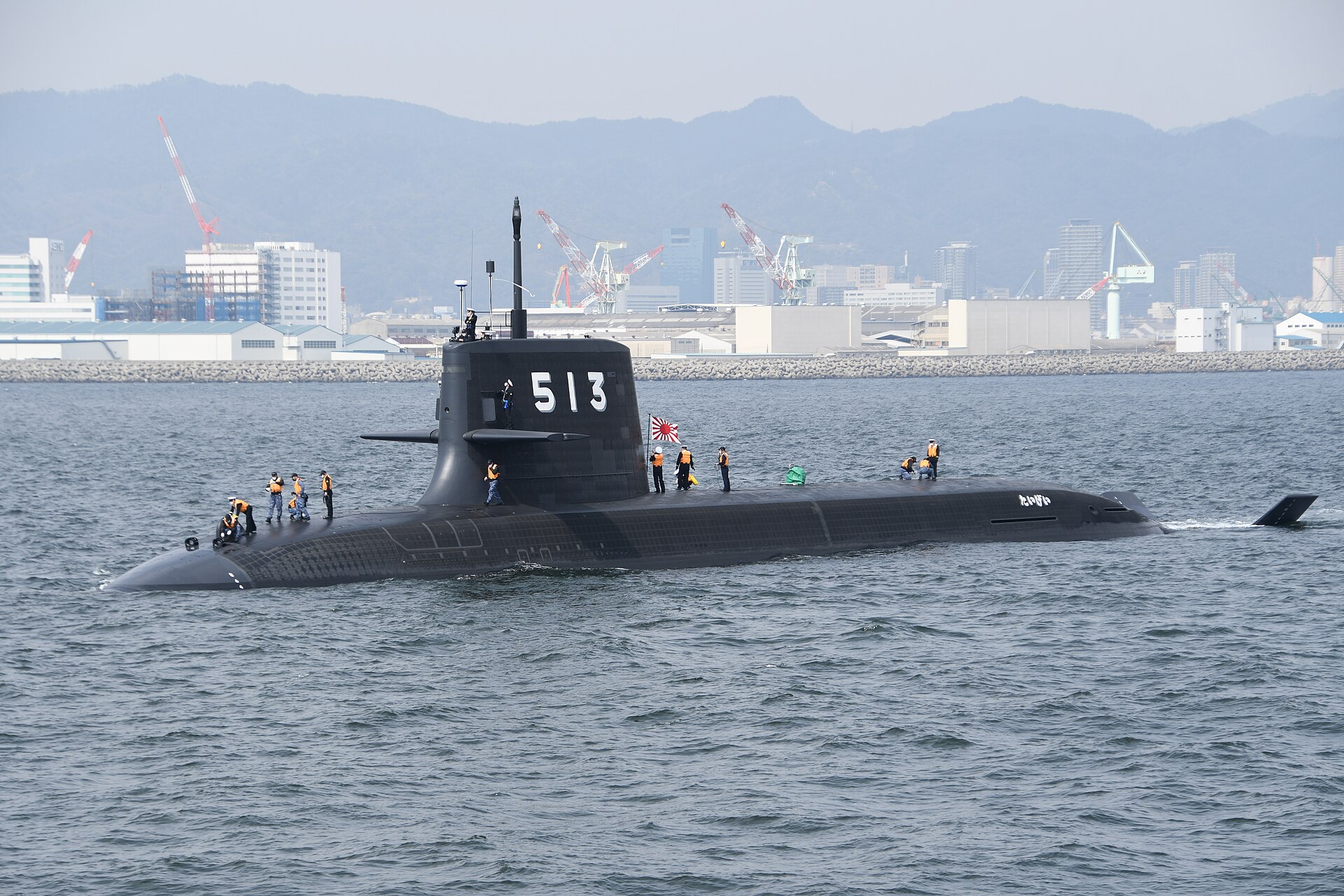
The Sōryū-class submarines (16SS) are diesel-electric attack submarines. The first boat in the class entered service with the Japan Maritime Self-Defense Force (JMSDF) in 2009. The design is an evolution of the Oyashio class, from which it can most easily be distinguished by its X-shaped stern combination diving planes and rudders. At the time of launching, the Sōryūs had the largest displacement of any submarine used by post-war Japan.
The Sōryū class is Japan's first air-independent propulsion submarine class. From Sōryū to Shōryū are fitted with Kockums Naval Solutions Stirling engines license-built by Kawasaki Heavy Industries, allowing them to stay submerged for longer periods of time. The 11th submarine of the class, Ōryū, is the world's first lithium-ion battery submarine. The cost of the sixth submarine (Kokuryū) was estimated at US$540 million.
In 2023, the first of the replacements for the Sōryūs, the Taigei class, entered service.
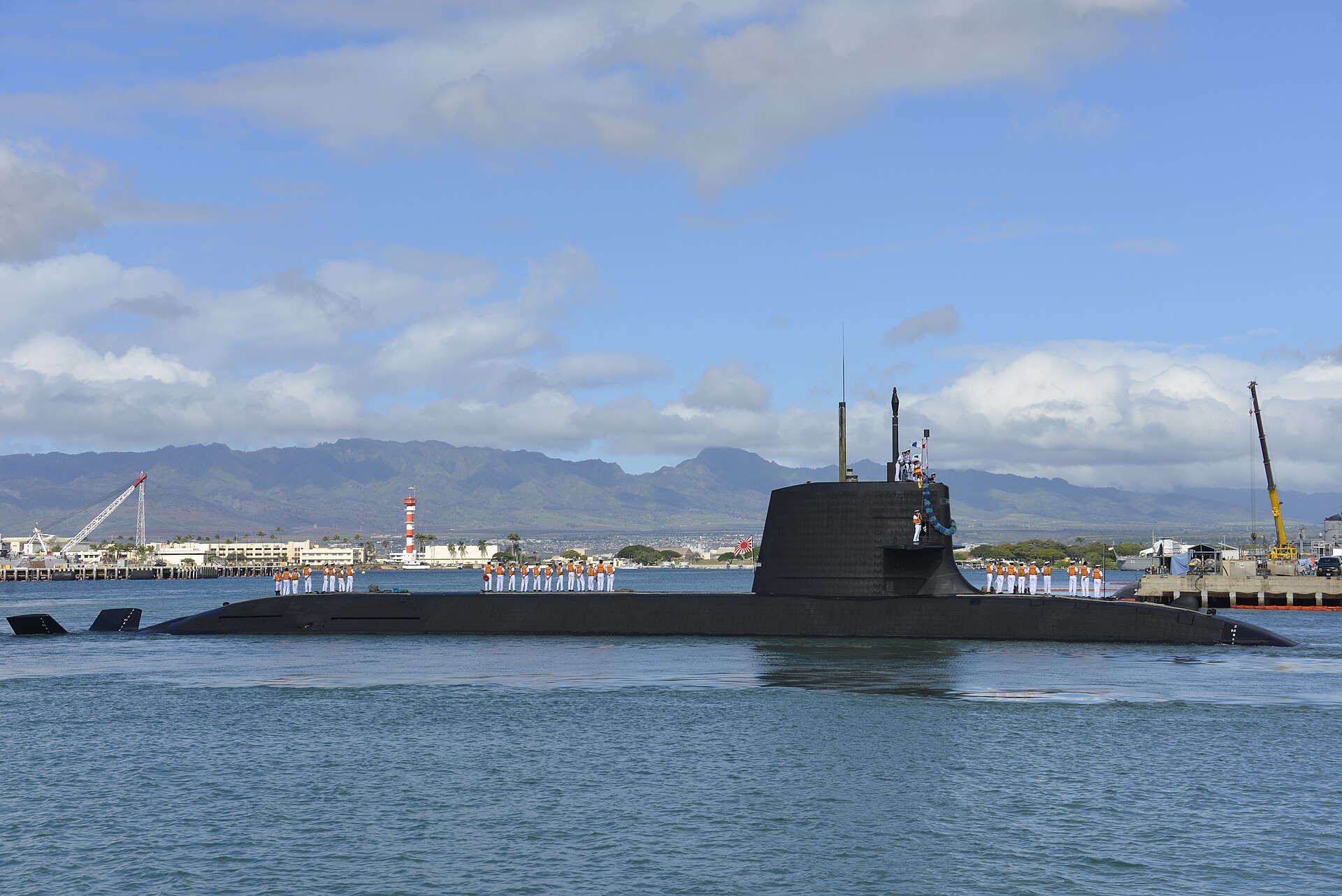
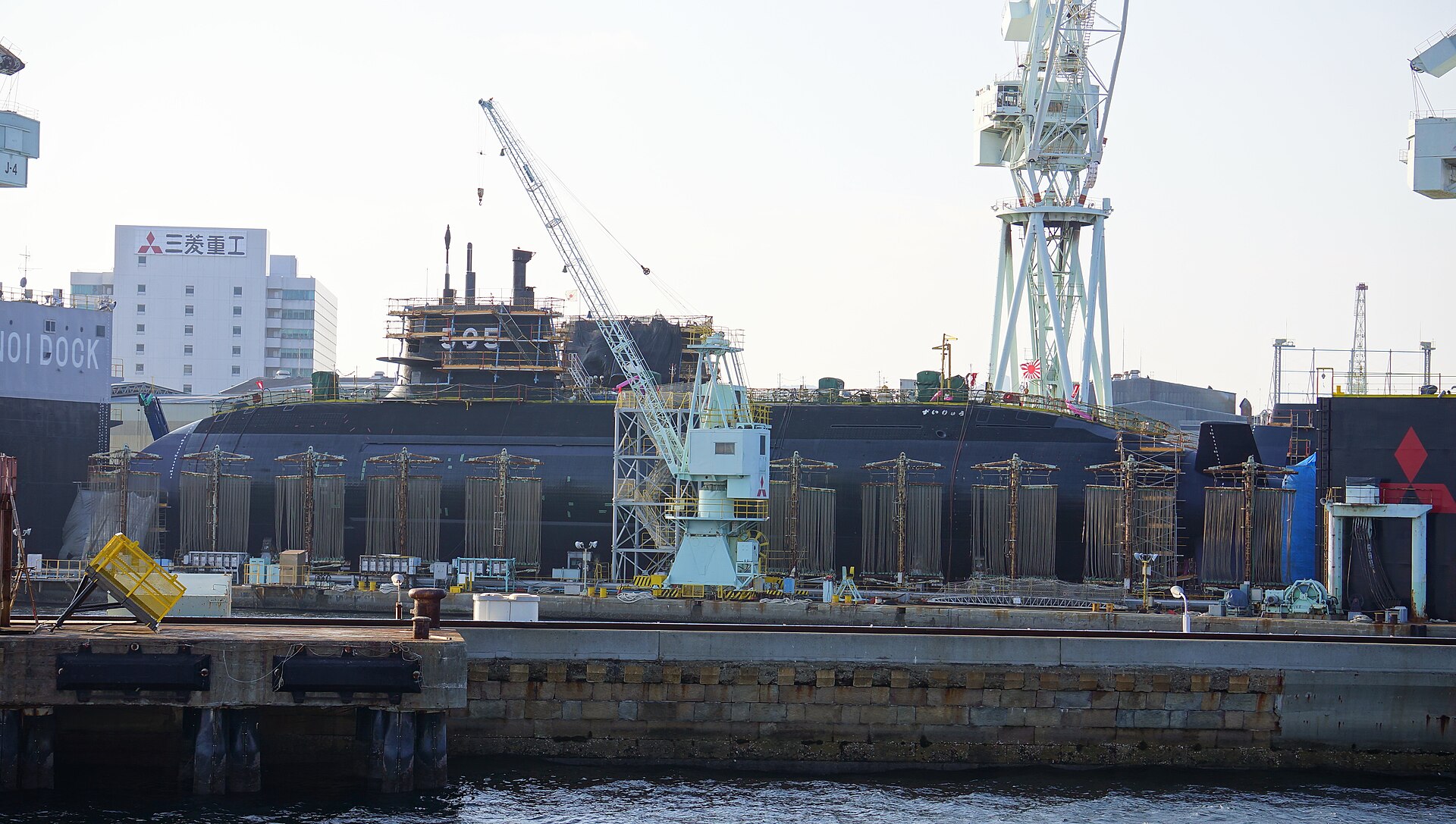
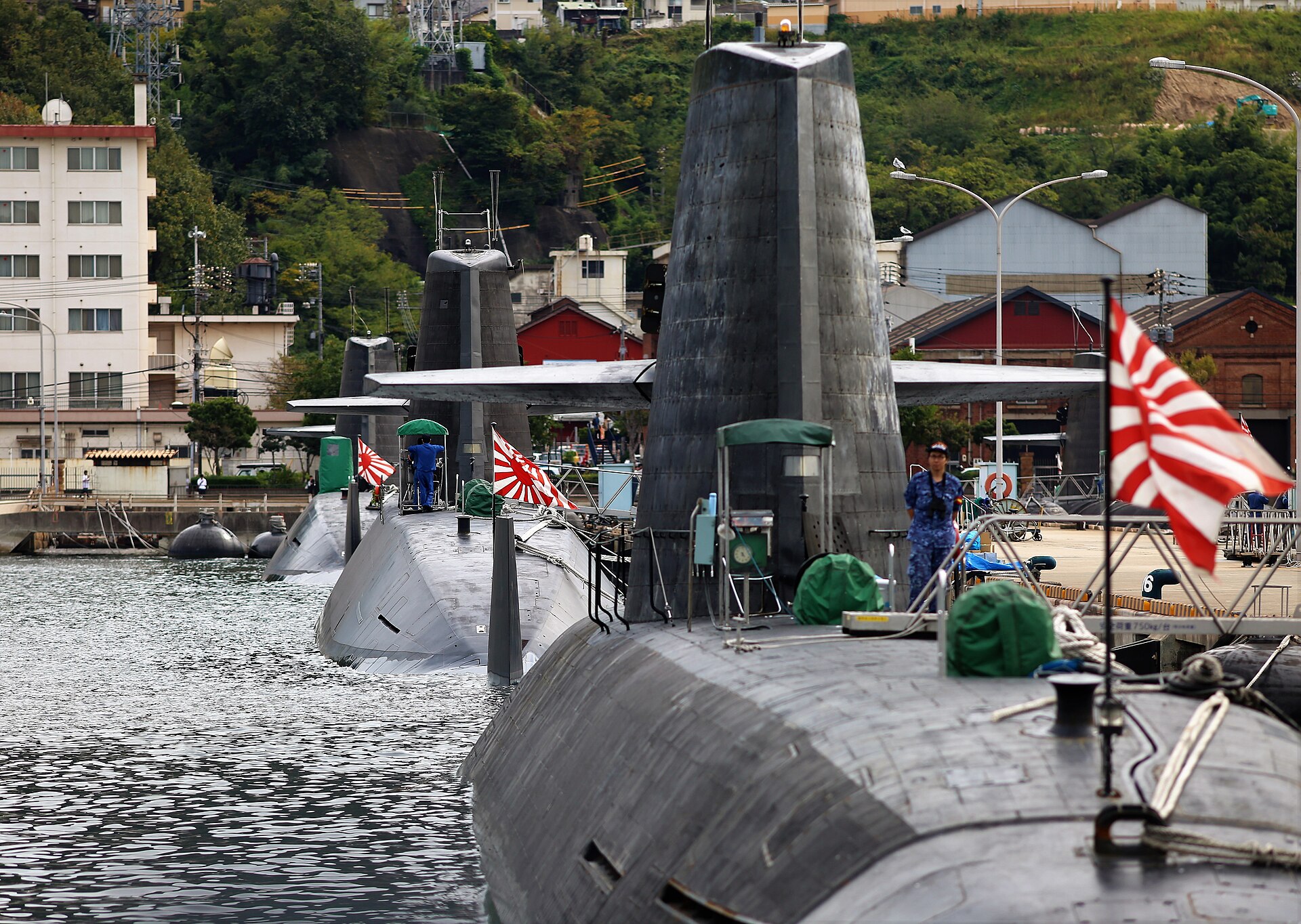
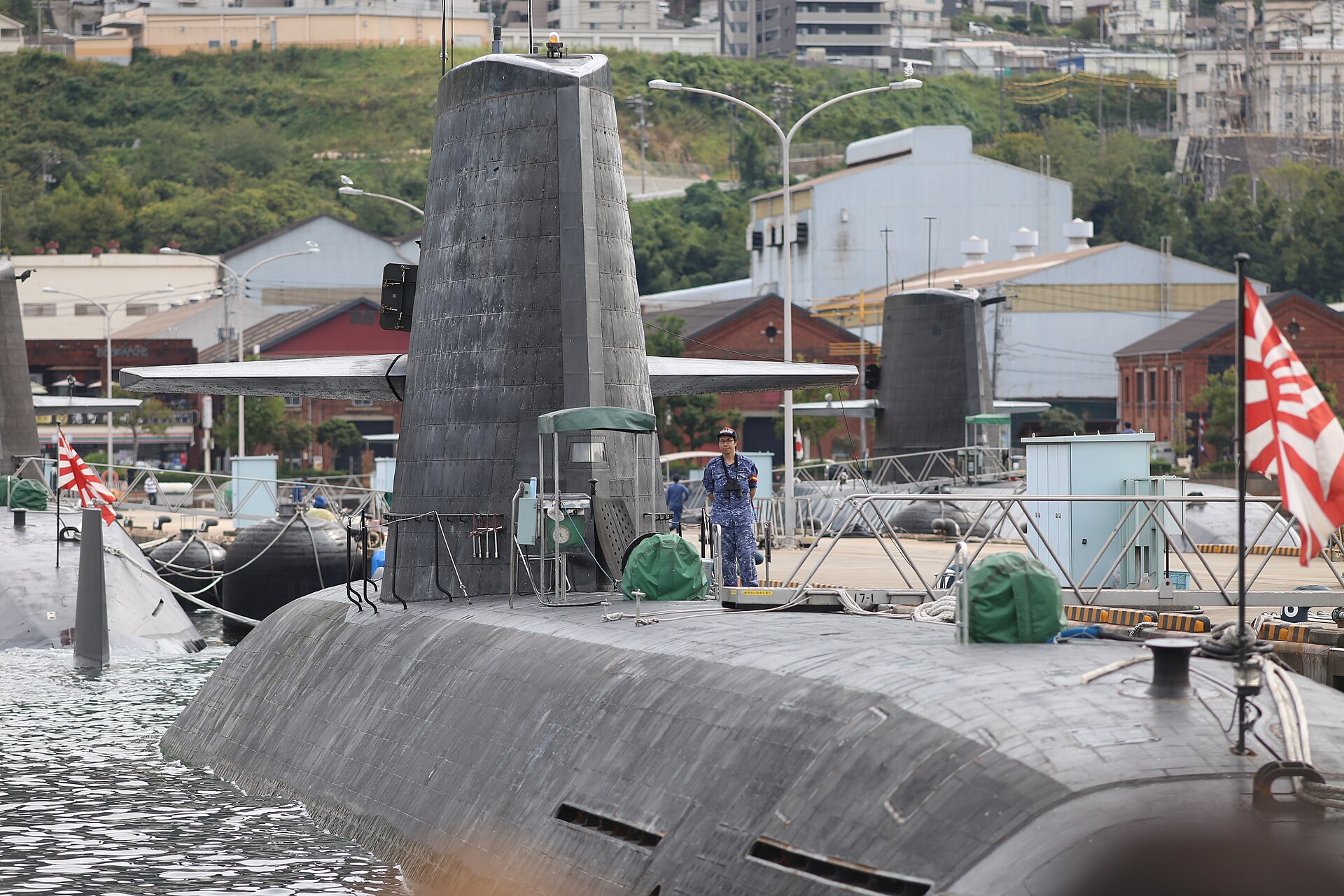
Foto: Wikimedia Commons — Jeffrey Jay Price, U.S. Navy, Christy Hagen, U.S. Navy, Hunini (proste licence / javna domena)